
When the House Goes Quiet: Helping Your Dog Cope with Back-to-School Separation Anxiety | Urgent Paws Veterinary Care
August 28, 2025
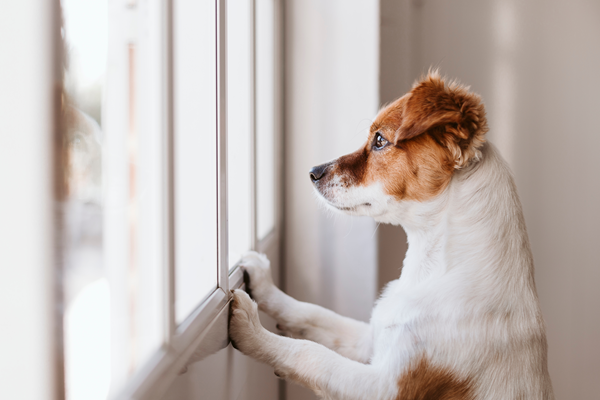
Small brown-and-white dog standing on hind legs, looking out a window with paws on the sill.

It happens every year, like clockwork. The backpacks come out, the alarm clocks ring earlier, and suddenly the house that's been buzzing with summer activity turns eerily quiet. For parents, it's the familiar back-to-school scramble. For dogs it can feel like abandonment.

Welcome to the world of separation anxiety in dogs - a problem that spikes during seasonal transitions like, yes, the return to school.

What Is Separation Anxiety in Dogs?

Separation anxiety - also known as separation-related distress - isn't just about missing you. It's a full-bodied panic response to being left alone or without a specific attachment figure. Some dogs become anxious, others get frustrated, some are just plain bored. It's not a one-size-fits-all emotional state, and that's part of what makes it tricky.

Early Red Flags: Signs You Shouldn't Ignore

  • Pacing or panting while you get ready to leave
  • Ignoring food or treats when left alone
  • Excessive drooling or licking
  • Destructive chewing near doors or windows
  • Accidents in the house despite being housetrained

More serious cases might involve attempts to escape, which can result in broken teeth, injured paws, or serious household damage.

Why Back-to-School Time Is a Trigger

During the summer, many pets enjoy near-constant companionship. Between vacations, work-from-home routines, and kids being off school, the house is rarely empty.

But then school starts. Parents head back to work. Kids leave early and don't return for hours. And pets, used to company and activity, are suddenly alone in a quiet, empty house. For dogs who haven't been gradually taught independence, this change can be jarring - and stressful.

Prevention: Don't Wait Until They're Suffering

If you're reading this before your dog has started gnawing through drywall, good. You've got time. Here's what you can do right now:

  • Introduce Alone Time Before You Need It. Even if you're still home, build small, predictable windows of alone time into your dog's day. Send them to a safe space with a food toy or chew and step away (go to another room). Start small - like five minutes. Work up from there. The key is to always keep it below their stress threshold. If they start whining or pacing, you've gone too far, too fast.
  • Use Interactive Feeders or Chews. Food-dispensing toys do more than feed your dog. They turn mealtime into a brain game and help build positive associations with being alone. These toys also slow down eating and engage their natural foraging instincts. Don't just give the toy and walk away. Let them associate it with good alone time by giving it while you're in the room, then moving away gradually.
  • Stick to a Routine. Routines reduce uncertainty, and dogs hate uncertainty. A predictable schedule - wake time, feeding, walks, alone time - helps them feel secure, even if the routine changes slightly during the school year.

What If You're Already Seeing Symptoms?

Don't panic, and don't punish. Your dog isn't "being bad" - they're scared. They need help, not discipline. Here's where to start:

  • Talk to your vet. Some physical conditions can mimic anxiety, and vice versa. Rule out anything medical first.
  • Try some behavior modification techniques . Here are two key exercises:
    • Downtime : Teach your dog to relax without interaction. Give them a long-lasting chew or puzzle toy in a designated space. Gradually increase your distance and duration as they stay calm.
    • Settle in Place : Train them to go to a mat or bed and stay there. Reward calm behavior. This is a transferable skill-they can learn to feel safe in that space whether you're nearby or not.
  • Monitor with cameras . Home pet cameras aren't just for spying - they help you know. If your dog howls for an hour or lies down quietly after 5 minutes, that's key info. You can't fix what you can't see.

When to Consider Medication

In some cases, behavior work isn't enough on its own. Dogs who are too panicked to learn, or who risk harming themselves, may benefit from anti-anxiety medication.

This isn't a failure; it's compassionate support. Think of it like using glasses to help you read. It doesn't fix the problem forever, but it helps you see the page while you're learning.

Final Thoughts: Be the Anchor

Separation anxiety isn't about bad behavior; it's about unmet emotional needs. During big transitions like back-to-school season, those needs become glaringly obvious.

With patience, planning, and a little compassion, you can help your dog adjust to a new normal. They don't need the house to be full 24/7, they just need to know that when you walk out that door - you're always coming back.

LifeLearn News

Note: This article, written by LifeLearn Animal Health (LifeLearn Inc.) is licensed to this practice for the personal use of our clients. Any copying, printing or further distribution is prohibited without the express written permission of Lifelearn. Please note that the news information presented here is NOT a substitute for a proper consultation and/or clinical examination of your pet by a veterinarian.

White dog sitting on green grass, wearing a blue collar and scratching its neck outdoors
May 14, 2026
As trees bud, flowers bloom, and grass begins to grow in May, many pets start showing signs of seasonal allergies. While people with allergies often sneeze o...
Black dog in tall green grass, looking left with mouth open outdoors
May 7, 2026
Ticks aren't just a nuisance-they're a health risk for both pets and people. Unfortunately, misinformation about ticks is widespread, and believing common my...
Tabby cat lying on a rug while a person pets it in a cozy room
April 30, 2026
April 30 is National Tabby Day , a day to celebrate one of the most common and recognizable feline coat patterns. Tabbies are often described as bold, playfu...
Small white-and-brown dog sitting on a path, wearing a red collar, with a blurred bridge in the background
April 23, 2026
Every year, countless dogs go missing, leaving families heartbroken. National Lost Dog Awareness Day is a reminder that many of these situations are preventa...
Fluffy orange cat on an exam table while a veterinarian in scrubs examines it with a stethoscope
April 16, 2026
If you've ever thought, "parasites aren't really a concern for my pet," you're definitely not alone. But here's the reality: heartworm infections are increas...
Small tan dog being examined by two vets in a clinic, with a stethoscope and blue gloves
April 2, 2026
This Saturday marks two important awareness days for pet lovers everywhere: World Stray Animals Day and Tag Day . These days share a powerful common goal: ke...
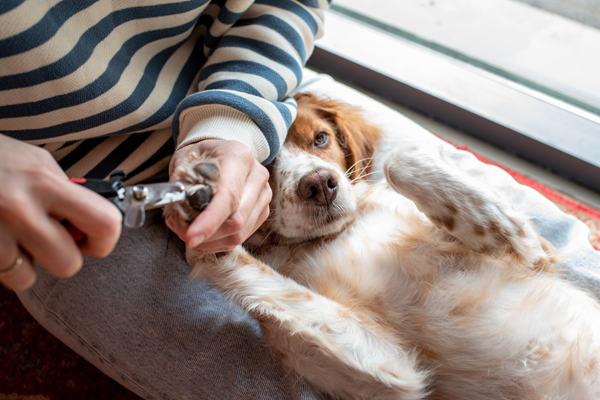
Person clipping a fluffy brown-and-white dog’s nails on a windowsill
March 26, 2026
A broken nail might not sound like a big deal, but for dogs, it can be very painful. If your dog suddenly starts limping, holding up a paw, or licking their ...
Tabby cat with a pink collar sitting on a windowsill beside potted plants
March 19, 2026
Oh, good-you're here. Before you scroll past another blog about how to keep your dog safe this spring, let's get one thing straight: we cats exist, too. And ...
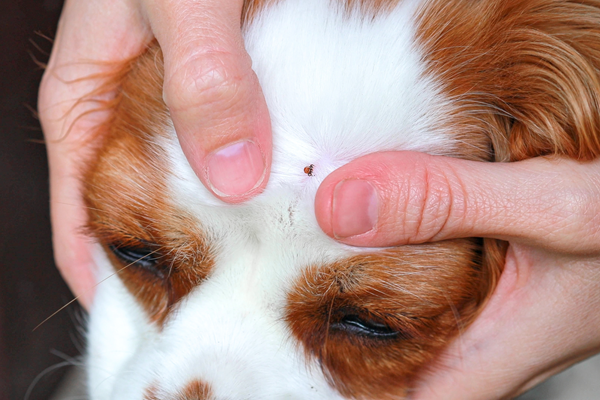
Hands examining a dog’s eye, with fingers gently holding the eyelids open
March 12, 2026
It usually starts with a perfectly normal walk. Your dog is happily uncovering all the secrets in the grass. It's a beautiful day. But hidden in that grass m...

Small monkey on a laptop beside a person at a table, with a phone nearby and a window in the background
March 5, 2026
It usually starts with a simple search. For many, the first thing we do when our pet is sick is to search online. Within seconds you get online advice. The a...