


The Gentle Revolution of Veterinary Behavior: Honoring Sophia Yin and Veterinary Behaviorists | Urgent Paws Veterinary Care
September 11, 2025
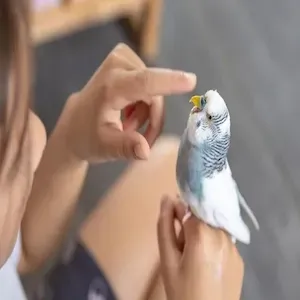
Two women smiling at a relaxed dog in a bright room with shelves and a basket nearby

It's not uncommon for pet owners to feel overwhelmed by their animal's behavior - be it a dog who won't stop barking at visitors, a cat who lashes out without warning, or a parrot who plucks out its feathers in silence. What many don't realize is there's an entire field of study dedicated to understanding and treating these issues with compassion and science.

Dr. Sophia Yin: A Legacy of Empathy and Evidence

Dr. SophiaYin wasn't just a veterinarian - was a trailblazer in animal behavior and empathy. She redefined our understanding of our pets' emotional needs. Trained as both a veterinarian and an applied animal behaviorist, she combined her expertise to improve relationships between pets and people.

Using this knowledge, she developed Low Stress Handling(R), an evidence-based, proven system that reimagines how we touch, train, and talk with our pets. Instead of "showing them who's boss," Yin counseled that training should be like a dance: clear signals, timely rewards, consistency, and above all, empathy.

Even after her sudden passing in September 2014, her influence lives on. Low Stress Handling(R) continues to guide shelters, clinics, and pet parents, teaching them to focus on trust and clear communication with animals rather than control or fear.

How do veterinary behaviorists help?

Veterinary behaviorists are licensed veterinarians who have pursued additional training in animal behavior, often becoming board-certified through the American College of Veterinary Behaviorists (ACVB) . Their expertise allows them to address behavioral problems that have a medical, neurological, or environmental component.

Where a trainer might help with basic obedience or manners, a veterinary behaviorist handles more complex issues like aggression, anxiety, phobias, compulsive behaviors, and more. They perform thorough behavioral evaluations, develop customized treatment plans, and, when needed, prescribe medications to support behavioral modification.

Veterinary behaviorists often collaborate with trainers and pet owners to ensure a consistent, supportive environment for the animal. Their goal isn't just to stop the unwanted behavior - it's to understand why it's happening and help the pet develop better coping strategies over time.

Who can call themselves a "behaviorist"?

Here's where things can get confusing. In the animal care world, many people refer to themselves as "behaviorists," but not all behaviorists are created equal.

Only those who have completed a veterinary degree and have become diplomates of the ACVB can legally use the title "Veterinary Behaviorist." These professionals are listed on the ACVB website and have undergone rigorous training, casework, and board exams to earn that designation.

Others, such as trainers or consultants with experience in animal behavior, may use the term more loosely. While many are knowledgeable and helpful, their qualifications can vary widely, and unlike veterinary behaviorists, they cannot diagnose medical issues or prescribe treatment involving medication.

If you're looking for help with a serious behavioral issue, it's worth checking whether the professional you're working with is board-certified. The ACVB's website offers resources for finding certified experts and understanding the scope of what they do.

Why It Matters and Why It's Worth It

Dr. Sophia Yin once said that training should be about teaching, not punishing . That simple idea continues to resonate in the work of veterinary behaviorists today. Whether they are dealing with a scared dog at the vet or a cat marking territory out of anxiety, these professionals use science, patience, and compassion to bring balance back to the lives of animals-and the people who love them.

In a world that often demands quick fixes, the field of veterinary behavior reminds us to slow down, listen carefully, and meet our animals where they are. And thanks to pioneers like Dr. Yin, we now have the tools to do just that.

LifeLearn News

Note: This article, written by LifeLearn Animal Health (LifeLearn Inc.) is licensed to this practice for the personal use of our clients. Any copying, printing or further distribution is prohibited without the express written permission of Lifelearn. Please note that the news information presented here is NOT a substitute for a proper consultation and/or clinical examination of your pet by a veterinarian.

White dog sitting on green grass, wearing a blue collar and scratching its neck outdoors
May 14, 2026
As trees bud, flowers bloom, and grass begins to grow in May, many pets start showing signs of seasonal allergies. While people with allergies often sneeze o...
Black dog in tall green grass, looking left with mouth open outdoors
May 7, 2026
Ticks aren't just a nuisance-they're a health risk for both pets and people. Unfortunately, misinformation about ticks is widespread, and believing common my...
Tabby cat lying on a rug while a person pets it in a cozy room
April 30, 2026
April 30 is National Tabby Day , a day to celebrate one of the most common and recognizable feline coat patterns. Tabbies are often described as bold, playfu...

Small white-and-brown dog sitting on a path, wearing a red collar, with a blurred bridge in the background
April 23, 2026
Every year, countless dogs go missing, leaving families heartbroken. National Lost Dog Awareness Day is a reminder that many of these situations are preventa...
Fluffy orange cat on an exam table while a veterinarian in scrubs examines it with a stethoscope
April 16, 2026
If you've ever thought, "parasites aren't really a concern for my pet," you're definitely not alone. But here's the reality: heartworm infections are increas...
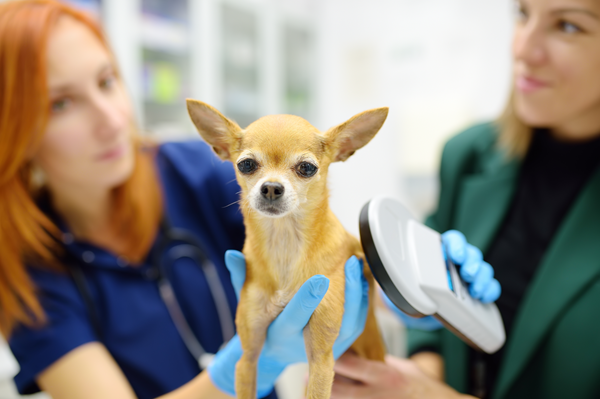
Small tan dog being examined by two vets in a clinic, with a stethoscope and blue gloves
April 2, 2026
This Saturday marks two important awareness days for pet lovers everywhere: World Stray Animals Day and Tag Day . These days share a powerful common goal: ke...
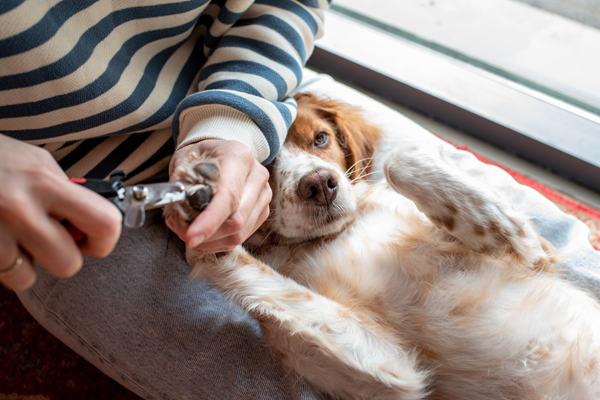
Person clipping a fluffy brown-and-white dog’s nails on a windowsill
March 26, 2026
A broken nail might not sound like a big deal, but for dogs, it can be very painful. If your dog suddenly starts limping, holding up a paw, or licking their ...

Tabby cat with a pink collar sitting on a windowsill beside potted plants
March 19, 2026
Oh, good-you're here. Before you scroll past another blog about how to keep your dog safe this spring, let's get one thing straight: we cats exist, too. And ...
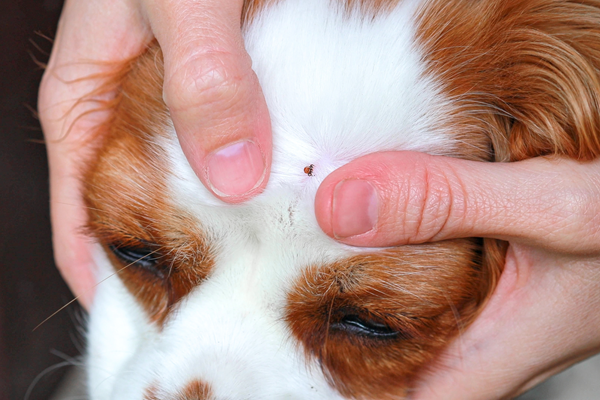
Hands examining a dog’s eye, with fingers gently holding the eyelids open
March 12, 2026
It usually starts with a perfectly normal walk. Your dog is happily uncovering all the secrets in the grass. It's a beautiful day. But hidden in that grass m...

Small monkey on a laptop beside a person at a table, with a phone nearby and a window in the background
March 5, 2026
It usually starts with a simple search. For many, the first thing we do when our pet is sick is to search online. Within seconds you get online advice. The a...