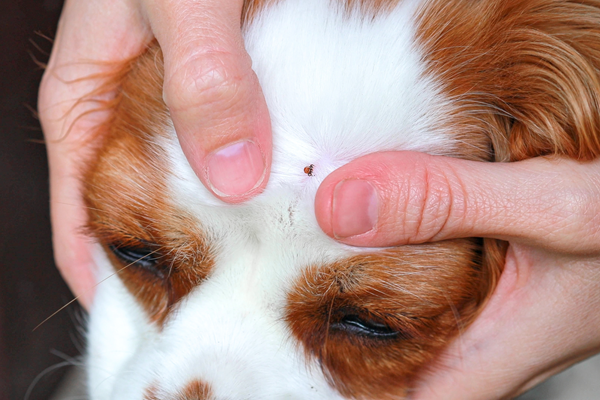



Ticks aren't just a nuisance-they're a health risk for both pets and people. Unfortunately, misinformation about ticks is widespread, and believing common myths can leave you and your pet at higher risk. Let's review some of the most persistent misconceptions and replace them with facts so you can make informed decisions about your pet's health.
Myth #1: "Ticks are only a problem in certain areas."
Fact: Ticks that carry disease are found across the United States and Canada, and tick-borne illnesses are increasing. Tick exposure can occur in many environments-not just rural or wooded areas.
What this means for you: No matter where you live-urban, suburban, or rural-your pet is at risk and needs protection.
Myth #2: "Ticks only spread Lyme disease."
Fact: While Lyme disease is well known, ticks transmit many other serious diseases, including Rocky Mountain spotted fever, ehrlichiosis, and anaplasmosis.
What this means for you: Tick prevention isn't just about Lyme disease-it's about protecting against a wide range of illnesses.
Myth #3: "Ticks die off in winter, so prevention isn't needed year-round."
Fact: Tick activity may slow in colder months, but it doesn't stop. Some ticks survive freezing temperatures or move indoors, and infection can occur at any time of year. Experts recommend consistent, year-round prevention.
What this means for you: Stopping prevention in winter creates a gap in protection that can put your pet at risk.
Myth #4: "Ticks fall from trees."
Fact: Ticks typically live on the ground in grass, shrubs, and leaf litter. They latch onto animals or people as they brush past vegetation. Public health agencies confirm that ticks "quest" from low vegetation rather than dropping from above.
What this means for you: Even everyday environments like your backyard, park paths, or tall grass can expose your pet to ticks.
Myth #5: "Home remedies are the best way to remove ticks."
Fact: Methods like petroleum jelly, nail polish, or burning the tick are ineffective and can increase disease transmission by irritating the tick. The safest method is using tweezers to grasp the tick close to the skin and pull steadily.
What this means for you: Proper removal reduces the risk of infection. Skip the myths and use proven techniques.
Myth #6: "If my pet has a tick, I'll know right away if they're sick."
Fact: Signs of tick-borne diseases can be subtle and may take time to appear, making them difficult to recognize early. Testing for diseases like Lyme is not straightforward and may not provide immediate answers.
What this means for you: Prevention is far more reliable than trying to detect illness after exposure.
Myth #7: "Ticks aren't a big deal for pets."
Fact: Ticks are parasites that feed on blood and can transmit serious diseases to both pets and humans. Infection transmission aside, tick attachment can cause your pet to feel sick and even lead to a syndrome called tick paralysis, causing extreme weakness or paralysis or, in worst cases, inability to breathe.
Myth #8: "All tick prevention products work the same."
Fact: There is no one-size-fits-all solution. Tick preventives come in different forms (oral, topical, collars), and the best choice depends on your pet's age, health, lifestyle, and risk level.
What this means for you: Your veterinarian's recommendation matters because the "right" product is tailored to your individual pet.
Myth #9: "Natural or 'chemical-free' products are just as effective."
Fact: Natural products are appealing but often less reliable. Natural tick prevention products often lack strong evidence for effectiveness compared to conventional options.
Veterinary-approved products are tested for both safety and effectiveness , while many natural remedies are not held to the same standards.
What this means for you: "Natural" doesn't always mean effective-or even safe. Protection should be based on proven results, not marketing claims or anecdotes. Safety comes from proper testing and correct use, not just from a "natural" label.
Myth #10: "I can replace veterinary prevention with home remedies."
Fact: Natural strategies may help, but they shouldn't replace proven prevention. While environmental steps like yard maintenance or regular checks can reduce exposure, they do not provide the same level of protection as veterinary preventives.
What this means for you: Natural approaches can play a role in a broader prevention plan, but they should be used with, not instead of, evidence-based veterinary care.
The Bottom Line
Misinformation about ticks can put your pet at risk. The safest approach is simple: use year-round prevention, stay informed, and rely on trusted veterinary guidance.
If you have questions about the best tick prevention plan for your pet, your veterinarian is here to help.
LifeLearn News
Note: This article, written by LifeLearn Animal Health (LifeLearn Inc.) is licensed to this practice for the personal use of our clients. Any copying, printing or further distribution is prohibited without the express written permission of Lifelearn. Please note that the news information presented here is NOT a substitute for a proper consultation and/or clinical examination of your pet by a veterinarian.