
Movement Is Medicine: Why Senior Dogs and Cats Need to Keep Moving | Urgent Paws Veterinary Care
November 20, 2025
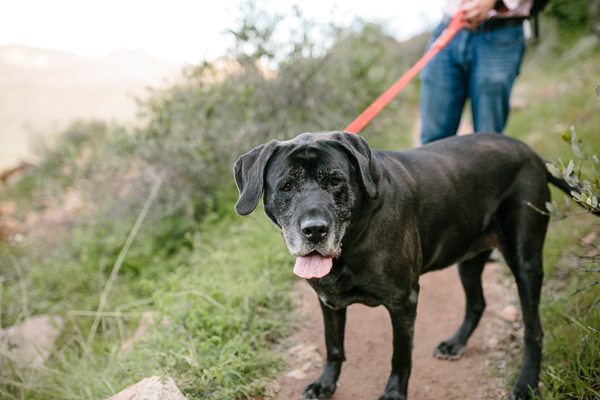
Black dog on a red leash standing on a grassy trail with a person in jeans in the background

For many, November means chilly mornings and early sunsets, and with it comes Senior Pet Month - a reminder to look a little closer at the older animals in our care. As cooler weather approaches, dogs may hesitate before rising, or cats may spend more time on the floor instead of their favorite perch.

Somewhere along the way, many people start to think slowing down is simply "what old pets do." But the slow-down isn't age itself. It's often pain and stiffness as osteoarthritis (OA) develops in joints that once moved easily. When it comes to OA, movement is still one of the most powerful, accessible forms of medicine available .

The Subtle Progression of Joint Pain

One in five dogs will be diagnosed OA in their lifetime. And cats - those masters of hiding discomfort - experience degenerative joint disease at rates estimated between 40% and 92% . These pets carry around daily pain we mistake for "just getting older."

OA creates a downward spiral if left unaddressed: stiffness leads to less movement, less movement leads to muscle loss, muscle loss leads to more joint stress and more pain, causing more stiffness, and the spiral continues.

But this isn't a hopeless picture. Because once you reintroduce gentle, consistent, intentional movement , the spiral can slow or reverse.

Why Movement Matters

Controlled exercise supports the body exactly where arthritis weakens it.

For dogs with OA, movement:

  • Increases circulation to muscles and joints
  • Decreases stiffness in the joint capsule and surrounding soft tissue
  • Reduces pain , in part by preventing compensatory, awkward movements
  • Maintains or rebuilds muscle strength
  • Supports cardiovascular health

Cats benefit too, in their own feline way. Since cats are sprinters by nature, their joints thrive on short bursts of activity. Encouraging even brief play helps increase energy expenditure and counters the weight gain that worsens joint pain.

The core idea is simple: movement keeps joints nourished, muscles active, and pets emotionally engaged with their world.

Movement as Medicine for Senior Dogs

Let's start with dogs, because they tend to wear their pain more visibly.

How much movement is "enough"?

If a dog hasn't had regular exercise or seems stiff, the recommendation is to begin with short, frequent walks - about 10 minutes, three times a day. This movement reduces the stiffening that occurs during long rest periods. As long as stiffness doesn't increase, you can gently scale up, week by week.

What about play?

High-impact activities like ball throwing, frisbees, or anything that involves abrupt stops are risky for arthritic joints. These motions involve extreme muscle exertion at take-off, twisting, and high-speed impact, which can trigger severe pain.

If the game is non-negotiable for your dog's soul, the guidelines are clear:

  • Warm them up
  • Avoid slippery or uneven surfaces
  • Keep throws low to the ground
  • Keep the number of throws limited

Why do I need a professional?

Rehabilitation practitioners can design individualized treatment plans and track progress, adjusting exercises if a dog isn't improving. For senior dogs, rehab has even been shown to support cognitive health - a gift no medication alone can offer.

Movement as Medicine for Senior Cats

Cats are... cats. You can't tell them to take a 10-minute walk three times a day. But you can set up their world so they move more without noticing.

How can I invite movement back into my senior cat's life?

  • Stimulate predatory instincts. Wand toys, especially when followed by tiny food rewards, increase aerobic play.
  • Food puzzles. Working for food increases activity effortlessly.
  • Change feeding locations. Make your cat walk from bowl to bowl or walk over small obstacles for meals.
  • Scatter feeding. Tossing individual kibbles encourages movement across a room.
  • Cat exercise wheels can be effective for those who enjoy them.
  • Leash walks are good for adventurous, confident cats.

Even for overweight cats who struggle with play, feeding-time movement - puzzle feeders, climbing for access - can be the therapeutic doorway into increased activity.

A Critical Reminder: Old Age Isn't a Disease

Dogs and cats don't slow down just because they get old. They slow down because a medical condition - often joint pain - makes movement uncomfortable. When you add movement back into a dog or cat's routine (carefully), you give them back part of their life.

Movement doesn't just extend a pet's life; it also improves the life they're living.

Senior dogs and cats may not leap the way they used to, but their bodies are built for movement. With a thoughtful plan, the right pacing, and a sprinkle of creativity, you can help them stay active, comfortable, and connected to the world around them.

Their joints will thank you. Their hearts will too.

LifeLearn News

Note: This article, written by LifeLearn Animal Health (LifeLearn Inc.) is licensed to this practice for the personal use of our clients. Any copying, printing or further distribution is prohibited without the express written permission of Lifelearn. Please note that the news information presented here is NOT a substitute for a proper consultation and/or clinical examination of your pet by a veterinarian.

White dog sitting on green grass, wearing a blue collar and scratching its neck outdoors
May 14, 2026
As trees bud, flowers bloom, and grass begins to grow in May, many pets start showing signs of seasonal allergies. While people with allergies often sneeze o...
Black dog in tall green grass, looking left with mouth open outdoors
May 7, 2026
Ticks aren't just a nuisance-they're a health risk for both pets and people. Unfortunately, misinformation about ticks is widespread, and believing common my...
Tabby cat lying on a rug while a person pets it in a cozy room
April 30, 2026
April 30 is National Tabby Day , a day to celebrate one of the most common and recognizable feline coat patterns. Tabbies are often described as bold, playfu...

Small white-and-brown dog sitting on a path, wearing a red collar, with a blurred bridge in the background
April 23, 2026
Every year, countless dogs go missing, leaving families heartbroken. National Lost Dog Awareness Day is a reminder that many of these situations are preventa...
Fluffy orange cat on an exam table while a veterinarian in scrubs examines it with a stethoscope
April 16, 2026
If you've ever thought, "parasites aren't really a concern for my pet," you're definitely not alone. But here's the reality: heartworm infections are increas...
Small tan dog being examined by two vets in a clinic, with a stethoscope and blue gloves
April 2, 2026
This Saturday marks two important awareness days for pet lovers everywhere: World Stray Animals Day and Tag Day . These days share a powerful common goal: ke...
Person clipping a fluffy brown-and-white dog’s nails on a windowsill
March 26, 2026
A broken nail might not sound like a big deal, but for dogs, it can be very painful. If your dog suddenly starts limping, holding up a paw, or licking their ...
Tabby cat with a pink collar sitting on a windowsill beside potted plants
March 19, 2026
Oh, good-you're here. Before you scroll past another blog about how to keep your dog safe this spring, let's get one thing straight: we cats exist, too. And ...
Hands examining a dog’s eye, with fingers gently holding the eyelids open
March 12, 2026
It usually starts with a perfectly normal walk. Your dog is happily uncovering all the secrets in the grass. It's a beautiful day. But hidden in that grass m...
Small monkey on a laptop beside a person at a table, with a phone nearby and a window in the background
March 5, 2026
It usually starts with a simple search. For many, the first thing we do when our pet is sick is to search online. Within seconds you get online advice. The a...