

Celebrating Senior Pets and the Lifesaving Value of Wellness Testing | Urgent Paws Veterinary Care
November 13, 2025
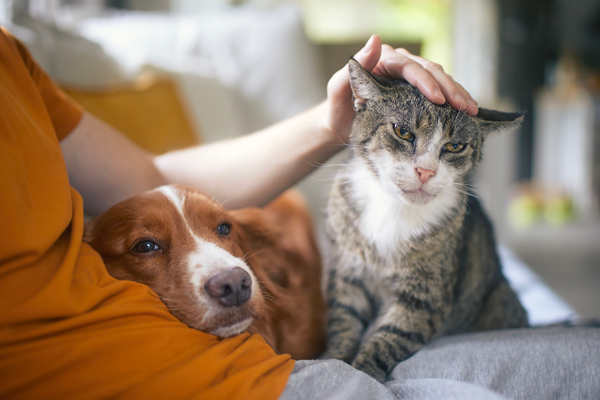
Person petting a gray cat beside a brown-and-white dog on a couch

November is Senior Pet Month - a time to celebrate how amazing our senior pets are and the joy and comfort they provide. It's easy to write off any changes as "they're just getting older," but age isn't a disease. These differences you see are subtle cues that their body is changing.

And our pets don't complain. They still eat, play, and purr like there is nothing to worry about, even when they are hiding illness that you can help them with.

That's why senior wellness testing is so important. It's a powerful tool you can use to catch and address problems early, potentially even extending your pet's life.

What's Involved in Senior Wellness Testing

Senior wellness testing may include some or all these tests:

  • Complete Blood Count (CBC): Evaluates red and white blood cells and platelets. Changes here can show early anemia, infection, inflammation, and other disease that may affect the bone marrow.
  • Serum Biochemistry Profile: Provides insight into how organs are functioning - especially the liver and kidneys - and screens for issues like diabetes or kidney disease.
  • Urinalysis: A simple test that complements bloodwork by showing how well the kidneys are concentrating urine and whether there's evidence of infection or diabetes.
  • Thyroid Hormone Test: Particularly important for aging cats (who often develop overactive thyroids) and dogs (who may experience low thyroid function).
  • Blood Pressure Assessment: High blood pressure is common in senior pets and can silently damage the kidneys, eyes, and heart.

Together, these tests take your pet's wellness exam further, giving you and your vet more information about your pet's internal health - something a physical exam alone can't provide.

The Hidden Power of Baseline Data

Even if results all come back normal, there is still value in testing. Establishing a baseline while your pet is healthy gives your veterinarian a reference point for comparison later. Subtle changes between annual visits - tiny shifts in kidney enzymes, for instance - can reveal the earliest stages of disease long before your pet shows signs of disease.

Pets whose lab results are monitored consistently over time have a significantly higher likelihood of surviving age-related illnesses. Early intervention not only improves quality of life but, in many cases, even prolongs their life.

Why Early Detection Matters

In senior dogs and cats, chronic conditions like kidney disease, thyroid imbalance, diabetes, or liver dysfunction develop gradually. Caught late, they often require expensive treatment. Caught early, they can often be managed with diet changes, medications, or simple lifestyle adjustments, allowing pets to live comfortably well into their senior years.

For example:

  • Chronic kidney disease (CKD) , one of the most common disorders in aging cats, is much easier to manage when identified early, before toxins build up in the bloodstream.
  • Diabetes in dogs and cats can often be regulated with dietary adjustments and insulin therapy, but outcomes are far better when blood glucose abnormalities are caught before full-blown symptoms appear.
  • Thyroid disorders (overactive in cats, underactive in dogs) can lead to weight loss, behavioral changes, or cardiovascular stress if left unchecked.

These are the kinds of problems that wellness panels routinely catch before a pet seems sick. In a 2023 review of senior wellness panels, 60% of senior cats and 40% of senior dogs had clinically significant changes in their lab work.

How Often is Senior Testing Done

Veterinarians generally recommend annual wellness testing for all pets . For seniors (those over seven years for dogs and cats, or even earlier for certain breeds), semi-annual testing may be ideal.

Beyond Numbers: The Emotional Investment

Senior wellness testing doesn't just protect your pet - it protects you from the heartbreak of discovering too late that you missed something easily detectable.

Knowing more about your pet's health lets you make more informed choices: when to adjust the diet or start supplements or medications. It's about giving your pet the best possible quality of life, and yourself the peace of mind that you're doing everything you can.

A Simple Step That Can Add Years

Preventive testing saves lives . Early detection means earlier treatment, and earlier treatment often means longer, healthier years with your pet. Because when it comes to senior pets, time is precious. And sometimes, a simple blood test is what gives you more of it.

So even if your gray-muzzled dog is still bounding up the stairs or your old cat rules the household with quiet authority, don't skip the lab work. Wellness testing isn't about finding bad news - it's about ensuring good years ahead.

LifeLearn News

Note: This article, written by LifeLearn Animal Health (LifeLearn Inc.) is licensed to this practice for the personal use of our clients. Any copying, printing or further distribution is prohibited without the express written permission of Lifelearn. Please note that the news information presented here is NOT a substitute for a proper consultation and/or clinical examination of your pet by a veterinarian.

White dog sitting on green grass, wearing a blue collar and scratching its neck outdoors
May 14, 2026
As trees bud, flowers bloom, and grass begins to grow in May, many pets start showing signs of seasonal allergies. While people with allergies often sneeze o...

Black dog in tall green grass, looking left with mouth open outdoors
May 7, 2026
Ticks aren't just a nuisance-they're a health risk for both pets and people. Unfortunately, misinformation about ticks is widespread, and believing common my...
Tabby cat lying on a rug while a person pets it in a cozy room
April 30, 2026
April 30 is National Tabby Day , a day to celebrate one of the most common and recognizable feline coat patterns. Tabbies are often described as bold, playfu...

Small white-and-brown dog sitting on a path, wearing a red collar, with a blurred bridge in the background
April 23, 2026
Every year, countless dogs go missing, leaving families heartbroken. National Lost Dog Awareness Day is a reminder that many of these situations are preventa...
Fluffy orange cat on an exam table while a veterinarian in scrubs examines it with a stethoscope
April 16, 2026
If you've ever thought, "parasites aren't really a concern for my pet," you're definitely not alone. But here's the reality: heartworm infections are increas...
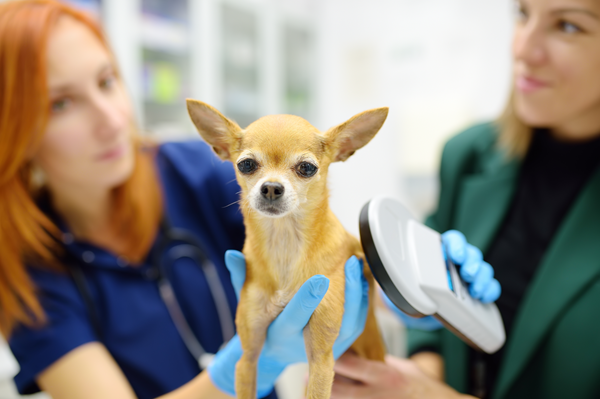
Small tan dog being examined by two vets in a clinic, with a stethoscope and blue gloves
April 2, 2026
This Saturday marks two important awareness days for pet lovers everywhere: World Stray Animals Day and Tag Day . These days share a powerful common goal: ke...
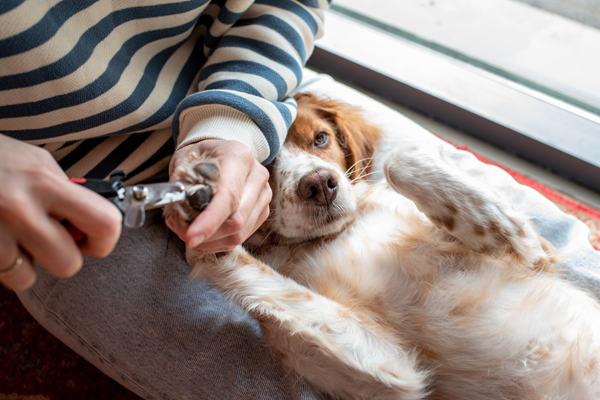
Person clipping a fluffy brown-and-white dog’s nails on a windowsill
March 26, 2026
A broken nail might not sound like a big deal, but for dogs, it can be very painful. If your dog suddenly starts limping, holding up a paw, or licking their ...
Tabby cat with a pink collar sitting on a windowsill beside potted plants
March 19, 2026
Oh, good-you're here. Before you scroll past another blog about how to keep your dog safe this spring, let's get one thing straight: we cats exist, too. And ...
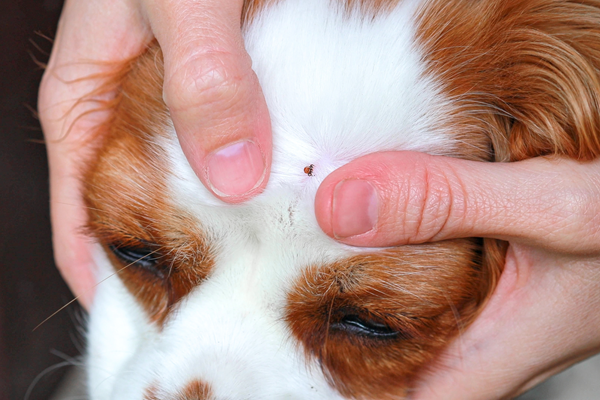
Hands examining a dog’s eye, with fingers gently holding the eyelids open
March 12, 2026
It usually starts with a perfectly normal walk. Your dog is happily uncovering all the secrets in the grass. It's a beautiful day. But hidden in that grass m...

Small monkey on a laptop beside a person at a table, with a phone nearby and a window in the background
March 5, 2026
It usually starts with a simple search. For many, the first thing we do when our pet is sick is to search online. Within seconds you get online advice. The a...