


When Paws Itch: Understanding Summer Allergies in Cats and Dogs | Urgent Paws Veterinary Care
July 10, 2025
Beagle sitting in tall green grass with a blurred field and fence in the background

Summer's warm air brings blooming flowers, lazy park strolls, and-if you're a pet parent-possibly a whole lot of scratching, licking, and nibbling from your furry companions. While humans reach for tissues during pollen season, our cats and dogs often suffer from itchy environmental allergies that flare during the sunniest months of the year.

And here's the kicker: unlike a one-time bug or a passing tummy ache, allergies in pets aren't curable. They're chronic conditions that demand ongoing management. Let's dig into what that really means.

The Summer Scratches: Why This Season Hits Hard

Summer often means more time outdoors for both humans and pets. But with that outside fun comes a heavier load of environmental allergens like grass pollen, tree pollen, mold spores, and dust mites in the air.

Dogs and cats absorb allergens through their skin or even inhale them, which can provoke an immune response that triggers atopic dermatitis-a fancy name for allergy-driven skin inflammation. Instead of sneezing or rubbing their eyes, they show us they're suffering through compulsive grooming, skin irritation, or mysterious bald patches.

Allergies: A Condition to Manage, Not a Bug to Fix

The sad truth is that allergies in pets can't be cured. Whether your golden retriever is reacting to ragweed or your Siamese cat has an issue with dust mites, their immune system is basically stuck in overdrive. So if we can't "fix" it, we need to manage it. We need to find ways to keep them comfortable by minimizing their allergic response and addressing any secondary conditions like skin or ear infections that occur as a result of the allergic reaction.

Treatment plans often include:

  • Immunosuppressive medications like cyclosporine or steroids
  • Allergy testing to pinpoint triggers and design tailored immunotherapy (aka "allergy shots")
  • Medicated shampoos or other topical treatments to soothe the skin
  • Fatty acid supplements that support skin health
  • Environmental control , such as HEPA filters and frequent washing of bedding

And let's not forget: food allergies can often mimic environmental allergies. Many vets recommend a diet trial to rule that out first.

Why This Dog or That Cat?

Why do some animals suffer, while others seem to breeze through allergy season without a scratch? Here's what we know:

  • In dogs, certain breeds like bulldogs, Labrador retrievers, and West Highland terriers are predisposed to atopic dermatitis.
  • In cats, any breed can be affected.
  • Genetics play a role, as does the integrity of the skin (especially in dogs). Compromised skin lets allergens seep in and wreak havoc.

But sometimes, it's just the luck of the draw-just like one person in the family gets hay fever and another doesn't.

Red Flags You Shouldn't Ignore

Allergies can show up in sneaky ways. Here are the not-so-obvious signs your pet might be struggling:

  • Chronic ear infections (especially in dogs)
  • Constant licking or chewing at paws, groin, or base of tail
  • Excessive shedding or patchy fur loss
  • Scooting or rubbing on furniture

In cats, the signs might be even subtler: overgrooming until the fur is thin, sneaky little scabs around the head or neck, or changes in behavior that scream "something's wrong," even if you can't see what.

The Importance of Regular Vet Check-Ins

Managing pet allergies isn't a "set it and forget it" affair. You'll need to work closely with your veterinarian and possibly even a veterinary dermatologist. Why? Because allergies evolve. A treatment that worked last summer might fall short this year. Infections can creep in. Skin damage can escalate.

Routine check-ins help your vet:

  • Track your pet's response to medications
  • Catch secondary infections early
  • Adjust dosages or switch meds as needed
  • Discuss allergy testing and long-term options like immunotherapy

Making Life Easier for Your Itchy Pet

You might not be able to "fix" your pet's allergies, but you can make life better. Here are a few everyday things that go a long way:

  • Wipe down paws after walks
  • Vacuum frequently, especially in sleeping areas
  • Wash bedding weekly in hot water
  • Use fragrance-free cleaners and laundry detergents
  • Keep the air clean with filters or purifiers

Think of it as allergy-proofing your pet's world. Every little bit helps.

Compassion Over Perfection

Living with a pet who has allergies can feel like walking a tightrope-balancing medications, topical treatments, lifestyle changes, and constant vigilance. But it's not about perfection; it's about compassion. Your cat might never stop overgrooming entirely. Your dog might still have flare-ups when pollen levels spike. That's okay.

The goal isn't to eliminate the condition. It's to help your pet live as comfortably and joyfully as possible.

LifeLearn News

Note: This article, written by LifeLearn Animal Health (LifeLearn Inc.) is licensed to this practice for the personal use of our clients. Any copying, printing or further distribution is prohibited without the express written permission of Lifelearn. Please note that the news information presented here is NOT a substitute for a proper consultation and/or clinical examination of your pet by a veterinarian.

White dog sitting on green grass, wearing a blue collar and scratching its neck outdoors
May 14, 2026
As trees bud, flowers bloom, and grass begins to grow in May, many pets start showing signs of seasonal allergies. While people with allergies often sneeze o...
Black dog in tall green grass, looking left with mouth open outdoors
May 7, 2026
Ticks aren't just a nuisance-they're a health risk for both pets and people. Unfortunately, misinformation about ticks is widespread, and believing common my...
Tabby cat lying on a rug while a person pets it in a cozy room
April 30, 2026
April 30 is National Tabby Day , a day to celebrate one of the most common and recognizable feline coat patterns. Tabbies are often described as bold, playfu...

Small white-and-brown dog sitting on a path, wearing a red collar, with a blurred bridge in the background
April 23, 2026
Every year, countless dogs go missing, leaving families heartbroken. National Lost Dog Awareness Day is a reminder that many of these situations are preventa...
Fluffy orange cat on an exam table while a veterinarian in scrubs examines it with a stethoscope
April 16, 2026
If you've ever thought, "parasites aren't really a concern for my pet," you're definitely not alone. But here's the reality: heartworm infections are increas...
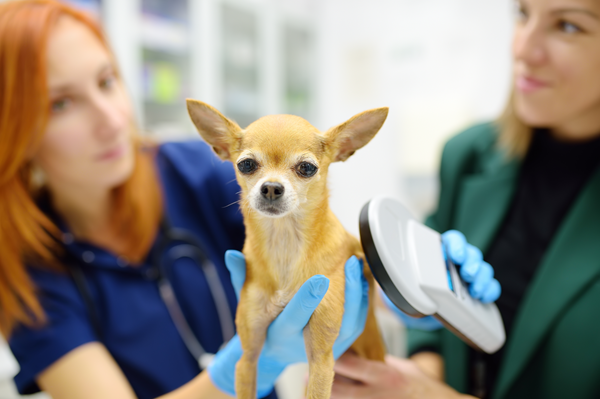
Small tan dog being examined by two vets in a clinic, with a stethoscope and blue gloves
April 2, 2026
This Saturday marks two important awareness days for pet lovers everywhere: World Stray Animals Day and Tag Day . These days share a powerful common goal: ke...
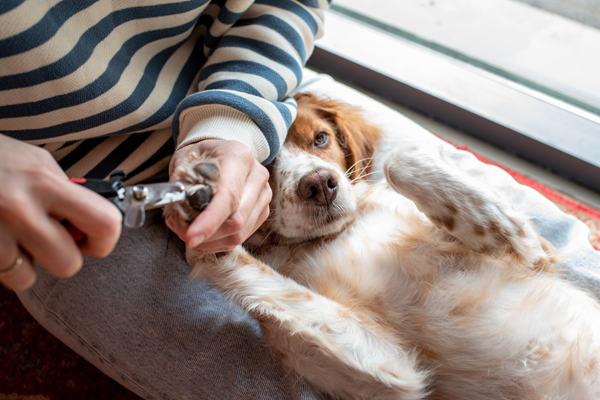
Person clipping a fluffy brown-and-white dog’s nails on a windowsill
March 26, 2026
A broken nail might not sound like a big deal, but for dogs, it can be very painful. If your dog suddenly starts limping, holding up a paw, or licking their ...
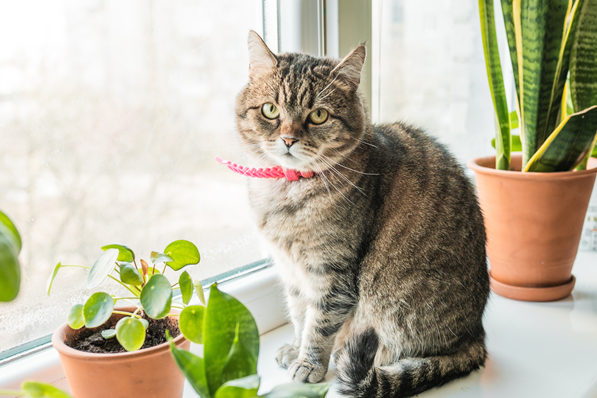
Tabby cat with a pink collar sitting on a windowsill beside potted plants
March 19, 2026
Oh, good-you're here. Before you scroll past another blog about how to keep your dog safe this spring, let's get one thing straight: we cats exist, too. And ...
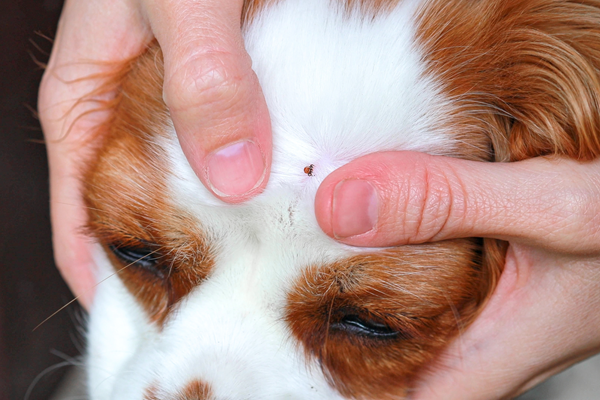
Hands examining a dog’s eye, with fingers gently holding the eyelids open
March 12, 2026
It usually starts with a perfectly normal walk. Your dog is happily uncovering all the secrets in the grass. It's a beautiful day. But hidden in that grass m...

Small monkey on a laptop beside a person at a table, with a phone nearby and a window in the background
March 5, 2026
It usually starts with a simple search. For many, the first thing we do when our pet is sick is to search online. Within seconds you get online advice. The a...